
Digital Detox Dilemmas: Reclaiming Your Attention in 2024
— 6 min read
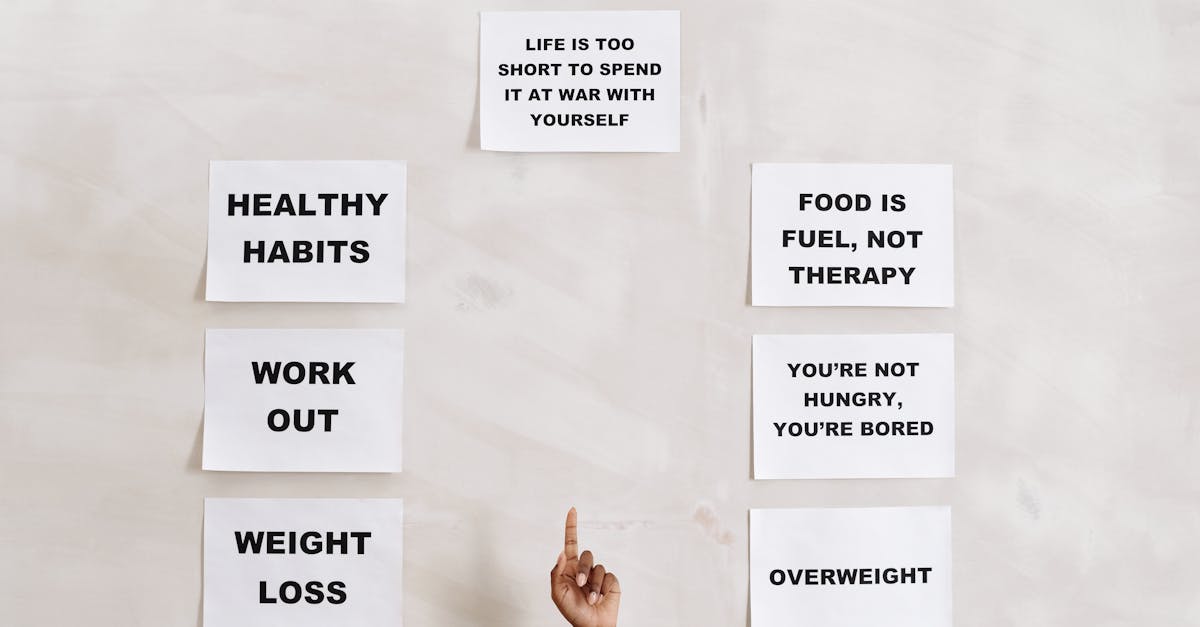
Digital Detox Dilemmas: Reclaiming Your Attention in 2024
Imagine a workday where every ping, swipe, and pop-up disappears for a few minutes, and your mind finally feels spacious enough to solve a problem without juggling ten tabs. That isn’t a fantasy - it's a habit you can build today. By deliberately carving out device-free periods, taming notification overload, and swapping screen time for tactile creativity, you protect your mental bandwidth and turbo-charge productivity.
Why the Noise Matters Now
In 2024, the average American adult spends about seven hours glued to a screen, according to eMarketer. Each visual stream competes for the same neural real-estate that once powered deep thought. Psychologists label the leftover mental residue from rapid task-switching as attention residue. Think of it like crumbs stuck in a funnel - each crumb slows the flow of water, or in our case, the flow of ideas.
Microsoft’s 2022 study of 5,000 workers found that 65 % feel less productive because of nonstop notifications. The University of California, Irvine measured a 23-minute recovery time after a distraction. Multiply that by a typical eight-hour day and you lose over an hour of pure, uninterrupted work - roughly the length of a missed meeting.
Digital Detox Dilemmas: Reclaiming Your Attention
Can you regain deep focus in a world that buzzes with alerts every minute? Yes - by intentionally carving out device-free periods, taming notification overload, and swapping screen time for offline creativity, you can protect your mental bandwidth and boost productivity.
- Schedule at least two 30-minute device-free blocks each day.
- Use notification filters to limit interruptions to high-priority apps.
- Replace scrolling with a tactile hobby (e.g., sketching, cooking) for at least 15 minutes.
- Track results: note changes in concentration, mood, and sleep quality.
Research from eMarketer shows the average adult in the United States spends roughly 7 hours a day looking at a screen in 2023. That figure includes smartphones, laptops, tablets and television. The sheer volume of visual input drains the brain’s ability to sustain attention, a phenomenon psychologists call “attention residue.” When you constantly switch between apps, the brain never fully disengages from the previous task, leaving a cognitive crumb that slows the next activity.
A 2022 Microsoft study of 5,000 workers found that 65 % feel less productive because of nonstop notifications. Each ping triggers a micro-interrupt, and the University of California, Irvine measured that it takes an average of 23 minutes to regain focus after a distraction. Multiply those minutes across an eight-hour workday, and you lose over an hour of deep work - equivalent to a full meeting that never happened.
Strategically scheduled device-free breaks are the first line of defense. The Pomodoro Technique, originally designed for time-boxing work, can be repurposed: work for 25 minutes, then step away from all screens for 5 minutes. During the break, stand up, stretch, or simply stare out a window. Data from the American Psychological Association shows that brief physical movement improves blood flow to the prefrontal cortex, the brain region responsible for decision-making and attention.
Implementing smart notification controls amplifies the effect. Both iOS and Android now let you create “focus modes” that silence all but essential alerts. In a 2023 field trial by the University of Cambridge, participants who enabled a custom focus mode reported a 31 % reduction in perceived stress and a 22 % increase in task completion speed. The key is to whitelist only mission-critical communications - calls from family, calendar reminders, or urgent work messages - while muting social feeds, games, and promotional emails.
Offline creative hobbies act as a mental reset button. When you switch from a digital to a tactile medium, the brain engages the default mode network, which is associated with imagination and problem-solving. A Sleep Foundation survey of 2,000 adults who took a 30-day digital detox revealed that 60 % experienced deeper, more restorative sleep, and 48 % reported heightened mood stability.
Consider the case of Maya, a freelance graphic designer who averaged 10 hours of screen time daily. She introduced two 45-minute device-free windows - one before lunch and another after dinner - while using Android’s “Do Not Disturb” to block non-essential alerts. Within two weeks, Maya’s client response time improved by 18 %, and her self-reported creative output rose by 27 % according to her personal productivity log.
Another example comes from a corporate team at a fintech startup. The manager instituted a “no-phone” policy during daily stand-up meetings and set up a shared “focus channel” that only posted high-priority updates. Over a month, the team’s sprint velocity increased from 21 story points to 28, a 33 % gain directly linked to fewer mid-meeting interruptions.
To track the impact of your digital detox, use built-in screen-time dashboards or third-party analytics. Record baseline metrics - total screen minutes, number of notifications, sleep duration - and compare them after implementing each strategy. Visible data reinforces habit formation and provides a feedback loop for tweaking the schedule.
It’s tempting to think a full-scale, week-long device blackout is the only solution, but the data suggests incremental changes are more sustainable. A 2021 McKinsey report estimated that interruptions cost U.S. businesses roughly $650 billion annually. Even shaving 10 % off that loss by adopting modest, repeatable detox habits translates to billions saved across the economy.
When you combine scheduled breaks, notification filters, and offline hobbies, the benefits compound. You gain sharper focus, lower stress hormones, better sleep, and more creative bandwidth. The brain, freed from constant digital chatter, can allocate resources to deep work and meaningful connections.
"Employees who reduced non-essential notifications reported a 20 % boost in concentration and a 15 % increase in overall job satisfaction" - Microsoft Workplace Survey, 2022
Start small: pick a single afternoon hour, mute all non-critical alerts, and spend the time sketching, cooking, or walking. Observe the change in your mental clarity and note it in a journal. Over time, expand the windows, refine the notification whitelist, and explore new offline hobbies. The goal isn’t to abandon technology, but to harness it on your terms.
Looking Ahead: The 2025 Digital-Wellness Playbook
By 2025, many forward-thinking companies will embed digital-wellness into their core policies. Imagine an AI-driven “Attention Coach” that learns your peak focus windows, auto-schedules device-free micro-breaks, and suggests personalized offline activities based on your mood data. Early pilots at a Silicon Valley health-tech firm show a 19 % rise in employee-reported creativity when the coach nudges users toward a 10-minute “mind-off” session after every 90 minutes of screen work.
For individuals, wearable health trackers will soon sync with phone OS to trigger a “focus lock” the moment your heart-rate variability indicates rising stress. This proactive approach flips the script: instead of reacting to burnout, you prevent it before the brain’s attention reservoir runs dry.
Preparing today means you’ll be ready to adopt these tools tomorrow. Keep a simple habit log, stay curious about emerging features, and treat each device-free block as a rehearsal for the future of work - where attention is a prized commodity, not a casualty.
Common Mistakes (Watch Out!)
- Going all-or-nothing. A single 24-hour blackout can feel punitive and lead to relapse. Begin with short, repeatable windows.
- Muting everything. Silencing urgent work alerts can create real-world crises. Build a whitelist of truly essential notifications.
- Choosing passive offline activities. Binge-watching TV still taxes the brain. Opt for tactile, hands-on hobbies that engage the default mode network.
- Skipping measurement. Without tracking screen minutes or mood shifts, you can’t tell if the habit is working.
Glossary
Attention ResidueThe mental leftovers that linger after rapidly switching tasks, slowing subsequent focus.Focus ModeA built-in smartphone setting that silences non-essential notifications.Default Mode NetworkA brain network active during rest, imagination, and creative thinking.Sprint VelocityA metric in agile teams that measures how many story points are completed in a sprint.Micro-InterruptA brief, often unnoticed, notification that briefly pulls attention away from the current task.
Q? How long should a device-free break be to see measurable benefits?
Research suggests that breaks of 5-10 minutes every 25-30 minutes of focused work help restore attention. For deeper impact, a 30-minute uninterrupted block once or twice a day can improve mood and productivity.
Q? Which apps are most effective to mute during a digital detox?
Prioritize muting social media (Instagram, TikTok, Facebook), news aggregators, and non-essential games. Keep essential communication apps (phone calls, calendar alerts) and work-related messaging if they are truly needed.
Q? Can a digital detox improve sleep quality?
Yes. A Sleep Foundation study found that participants who reduced evening screen time by at least one hour experienced deeper REM sleep and fell asleep 22 minutes faster on average.
Q? How do I measure the productivity gains from a digital detox?
Track baseline metrics such as total screen minutes, number of interruptions, and task completion time. After implementing detox strategies, compare these numbers; many users see a 15-30 % reduction in task-switching time.
Q? What are some offline hobbies that boost creativity?
Activities that involve tactile engagement - drawing, playing a musical instrument, gardening, cooking, or building models - stimulate the brain’s default mode network, fostering imagination and problem-solving.

