
Vitamin E and Fertility: Myth‑Busting the ‘More Is Better’ Belief
— 6 min read
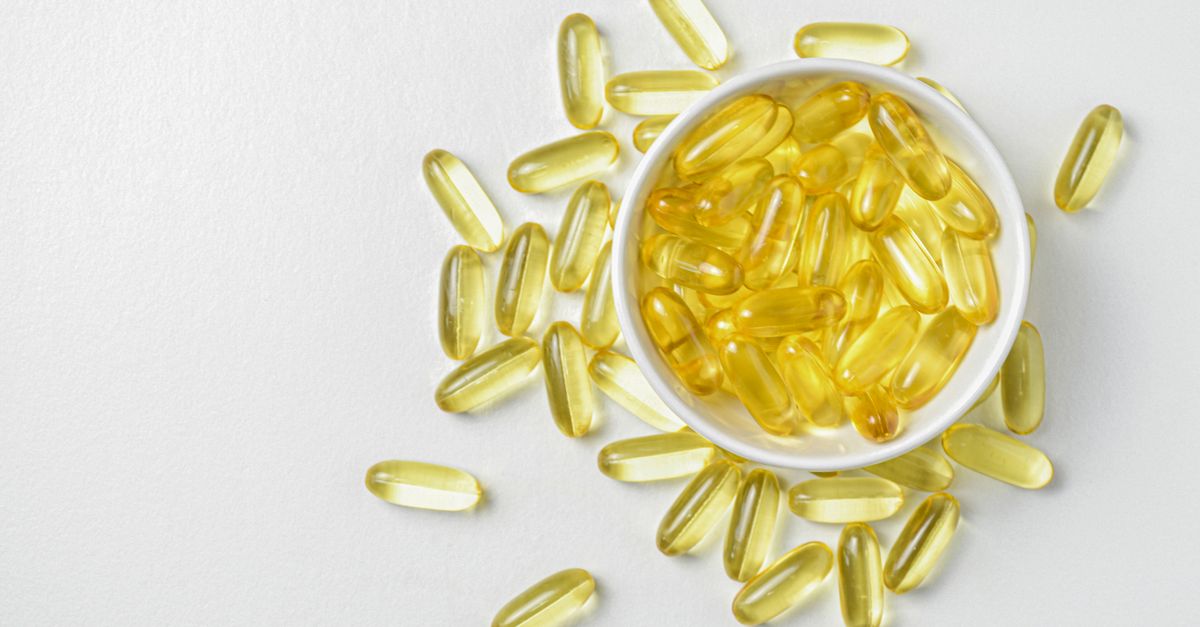
When you’re trying to conceive, every health article feels like a treasure map - except many point to the same X: “Take more vitamin E and you’ll boost your chances!” In 2024, a wave of new research shows that the glittering promise of mega-doses is more myth than medicine. Below, Emma Nakamura walks you through the science, clears up common misconceptions, and hands you a realistic roadmap for fertility success.
The ‘More Is Better’ Myth Is Hurting Your Chances
Many women assume that taking extra vitamin E will automatically improve their chances of getting pregnant, but the reality is quite the opposite. Large doses do not increase ovulation rates and can actually lower the odds of conception by disrupting hormonal balance and increasing the risk of bleeding during implantation.
- Vitamin E does not directly raise estradiol, the key hormone for egg development.
- High-dose supplementation can interfere with blood clotting, a critical process for embryo attachment.
- Most studies show no consistent improvement in live-birth rates from vitamin E alone.
Think of it like adding extra gasoline to a car that already has a full tank - the engine won’t run any faster, and you risk a spill. The next section explains what vitamin E actually does inside your body, so you can see why more isn’t always merrier.
What Vitamin E Really Does in the Body
Vitamin E is a fat-soluble antioxidant, meaning it helps protect cell membranes from damage caused by free radicals - unstable molecules that can degrade DNA and proteins. Think of it as a rust inhibitor for a car: it slows the wear and tear on metal, but it does not make the engine run faster. In reproductive tissues, vitamin E helps preserve the integrity of ovarian cells, but this protective role stops at the cellular level; it does not command the hormonal orchestra that drives ovulation.
Typical dietary sources include nuts, seeds, and vegetable oils, providing roughly 15 mg (22 IU) per day for most adults. The Recommended Dietary Allowance (RDA) for women of child-bearing age is 15 mg. When you exceed this amount by several folds, the excess is stored in fat tissue and can alter blood clotting factors, especially when combined with anticoagulant medications.
In everyday terms, vitamin E is the body’s “shield” rather than its “starter.” Knowing this distinction helps you avoid the temptation to treat the shield as a turbo-charger. Up next, let’s meet the real conductor of the fertility symphony: estradiol.
Estradiol Explained: The Hormone Behind Egg Development
Estradiol is a form of estrogen produced primarily by the ovaries. It acts like a conductor, signaling the lining of the uterus to thicken, preparing it for a potential embryo, and guiding the follicles that contain the eggs to mature. During a normal menstrual cycle, estradiol levels rise from about 30 pg/mL in the early follicular phase to over 400 pg/mL just before ovulation.
The surge is triggered by follicle-stimulating hormone (FSH) released from the pituitary gland, not by dietary antioxidants. While vitamin E may protect estradiol-producing cells from oxidative stress, research shows it does not increase the hormone’s production. In short, estradiol is regulated by a feedback loop involving the brain, ovaries, and uterus - far beyond the reach of a single vitamin.
Imagine a traffic light system: the brain issues the green light, the ovaries respond, and the uterus prepares the road. Vitamin E can keep the traffic lights clean, but it can’t change their timing. With that picture in mind, we’ll now turn to the evidence that evaluates whether boosting the “cleaning crew” actually moves the traffic faster.
Scientific Evidence on Vitamin E and Fertility
Researchers have examined vitamin E in many randomized controlled trials (RCTs) that compare supplement users with placebo groups. The 2015 Cochrane review of 12 RCTs, encompassing over 1,400 women trying to conceive, reported a pooled live-birth risk ratio of 0.97 (95 % CI 0.85-1.11) for vitamin E versus placebo. In other words, the chance of delivering a baby was essentially unchanged.
“Across multiple trials, vitamin E supplementation did not produce a statistically significant increase in pregnancy or live-birth rates.” - Cochrane Review, 2015
Some niche studies found modest benefits for women with diagnosed oxidative-stress conditions, such as unexplained infertility paired with high levels of reactive oxygen species in follicular fluid. Even in those sub-groups, the improvement was limited to a 5-10 % increase in fertilization rates during in-vitro fertilization (IVF), not a guaranteed natural conception.
A 2023 meta-analysis that pooled newer trials echoed the same message: vitamin E alone does not shift the odds in a meaningful way. The takeaway? The supplement is not a magic bullet, but it can be a useful tool in a very specific toolbox. The next section tells you when that toolbox might actually be opened.
When Supplementation Is Actually Helpful
Targeted vitamin E use can be appropriate for women who have been clinically diagnosed with oxidative-stress disorders, such as certain forms of endometriosis or male factor infertility where sperm oxidative damage is documented. In these cases, a physician may prescribe 400 IU (approximately 270 mg) of mixed tocopherols per day for a limited period, usually three to six months, while monitoring blood markers like malondialdehyde.
Crucially, the decision must be guided by a healthcare professional who can order the necessary lab tests, adjust dosage, and watch for interactions with other medications, such as warfarin or statins.
Think of this as a specialist mechanic who only replaces a part after confirming it’s truly worn out. Without that confirmation, you risk over-tightening a bolt that doesn’t need it. After exploring when vitamin E is warranted, let’s look at what can happen if you go overboard.
Safety Concerns and Potential Side Effects
Excessive vitamin E intake can thin the blood, raising the risk of hemorrhage during implantation or childbirth. A meta-analysis of 20 observational studies linked intakes above 1,000 IU per day with a 1.4-fold increase in major bleeding events. Gastrointestinal upset, such as nausea and diarrhea, also appears in up to 12 % of high-dose users.
Because vitamin E is fat-soluble, it accumulates in the liver and can reach toxic levels if taken continuously for months without a break. Women who are on anticoagulant therapy, have a history of bleeding disorders, or are scheduled for surgery should avoid high-dose vitamin E unless a doctor explicitly approves it.
In short, the supplement can act like a gentle rain that nourishes a garden - until it becomes a downpour that washes the soil away. With safety in mind, the next section highlights the most common pitfalls people fall into.
Common Mistakes Women Make with Fertility Supplements
- Assuming more is better and taking double or triple the suggested dose.
- Stacking multiple “fertility boosters” (e.g., vitamin E, zinc, CoQ10) without professional guidance, leading to nutrient imbalances.
- Believing a single supplement can replace a balanced diet rich in whole foods.
- Skipping regular medical evaluation, which can identify underlying conditions that require specific treatment.
- Using over-the-counter blends that contain proprietary blends of unknown quantities, making dosing unpredictable.
These errors not only waste money but can also introduce health risks that outweigh any potential benefit.
Having identified the traps, let’s move toward a brighter, evidence-driven path for boosting fertility.
Evidence-Based Strategies for Boosting Fertility
Research consistently shows that a comprehensive lifestyle plan outperforms any single supplement. A 2020 prospective cohort of 2,300 couples found that women who ate a Mediterranean-style diet - rich in fruits, vegetables, whole grains, fish, and olive oil - had a 30 % higher chance of achieving pregnancy within 12 months compared with those following a typical Western diet.
Regular moderate exercise (150 minutes per week) improves insulin sensitivity and reduces stress hormones, both of which support healthy ovulation. Stress-reduction techniques such as mindfulness meditation have been linked to a modest 10-15 % increase in conception rates in women undergoing IVF.
Finally, a preconception visit with a reproductive endocrinologist allows for personalized testing (e.g., AMH, thyroid panel) and the creation of a tailored plan that may include specific supplements only when medically indicated.
In other words, think of fertility as a garden: the soil (diet), sunlight (exercise), and water (stress management) all need to be just right before you consider adding a fertilizer (supplement). With the groundwork solid, any targeted supplement - vitamin E included - has a better chance of doing its job.
Glossary of Key Terms
- Antioxidant: A molecule that neutralizes free radicals, preventing cellular damage.
- Estradiol: A potent estrogen that regulates the growth of the uterine lining and the maturation of ovarian follicles.
- Oxidative Stress: An imbalance between free radicals and antioxidants, leading to cellular injury.
- Live-birth Rate: The proportion of pregnancies that result in a baby born alive after 24 weeks gestation.
- Randomized Controlled Trial (RCT): A study design where participants are randomly assigned to receive either the intervention or a placebo, considered the gold standard for testing efficacy.
- Risk Ratio (RR): A statistic that compares the probability of an outcome between two groups; an RR of 1 means no difference.
- Fat-soluble: Vitamins that dissolve in fat and are stored in body tissues, including vitamins A, D, E, and K.
Q? Does vitamin E improve natural conception rates?
Current high-quality evidence shows no consistent improvement in natural conception rates from vitamin E alone. Benefits are limited to specific medical conditions under physician supervision.
Q? What is a safe daily dose of vitamin E for women trying to conceive?
The Recommended Dietary Allowance is 15 mg (22 IU) per day. Doses above 400 IU should only be taken under medical supervision.
Q? Can vitamin E interact with other fertility medications?
Yes. Vitamin E can enhance the effects of anticoagulants and may affect the absorption of certain hormonal therapies. Always discuss supplements with your doctor.
Q? Are there any foods that naturally provide enough vitamin E?
Nuts (almonds, hazelnuts), seeds (sunflower), and vegetable oils (wheat germ, sunflower) easily meet the RDA without the need for supplements.
Q? How long should a prescribed vitamin E regimen be continued?
When used for oxidative-stress related infertility, treatment typically lasts 3-6 months, followed by re-evaluation of hormone levels and oxidative markers.

